
Applied Behavior Analysis
What is Applied Behavior Analysis?
The scientifically validated approach to understanding behavior — and the foundation of everything CLC does.



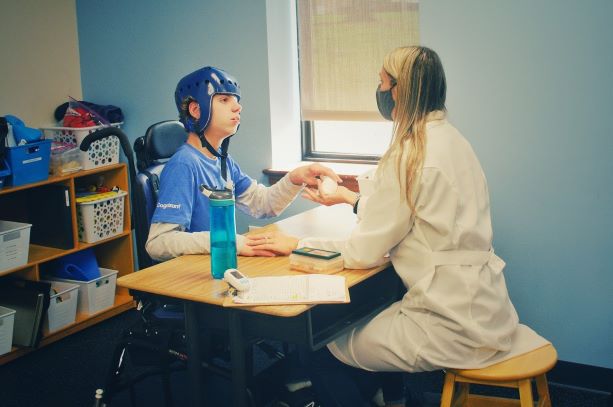
Behavior Analysis is described as a scientifically validated approach to understanding behaviors and how they are affected by the environment. Since the 1960's, therapists and teachers have been utilizing this science, with great success, to help individuals with autism (and related disabilities) achieve their highest potential in varying stages of life.
ABA programs focus on decreasing undesirable behavior as well as teaching appropriate functional skills through the use of positive reinforcement. A desired skill may be analyzed and divided into smaller parts. These parts would be taught to an individual slowly, using reinforcements, until the skill is learned. Parts of skills may also be learned separately and then chained together. ABA programs strive to integrate strategies for teaching new skills and managing behaviors considered problematic because skills and behaviors interact and influence each other. The effectiveness of instructional procedures based on ABA has been documented through years of research. This method of instruction is individualized thereby providing a highly structured format for each student with autism. Outcomes are assessed through on-going data collection and adjusted as needed based on such assessments.
Research demonstrates that individuals with autism who receive intensive early intervention based on the principles of ABA experience significant improvements in learning, reasoning, communication and adaptability to family, home and community life along within the workplace. Some acquire skills that enable them to return to regular classrooms with little or no additional support. Generally, research has found that individuals who receive intensive ABA treatment make larger improvements in more skill areas than individuals who participate in other interventions.