
What is Autism?
Understanding Autism Spectrum Disorder (ASD)
What it is, who it affects, and why early intervention changes everything.


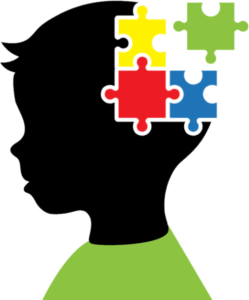
Autism is a complex neurobehavioral condition that includes impairments in social interaction and developmental language and communication skills combined with rigid, repetitive behaviors. Autism Spectrum Disorder (ASD) has replaced the term autism as it more accurately refers to the range of symptoms present in those with this condition. It covers a large spectrum of symptoms, skills, and levels of impairment. ASD ranges in severity from a condition that somewhat limits an otherwise normal life to a devastating disability that may require life-long care.
 ASD occurs in all racial, ethnic, and socioeconomic groups, but is about 4 times more common among boys than among girls. In addition, ASD commonly co-occurs with a variety of challenges including intellectual disability, life-threatening behaviors such as elopement and self-injury, as well as other medical conditions such as seizure disorders.
According to the Centers for Disease Control and Prevention (CDC), 1 in 31 children is identified with autism spectrum disorder (ASD) by age 8. Twenty years ago, that number was 1 in 150. The report also highlights continued progress in early identification and diagnosis, underscoring the importance of awareness, screening, and access to services.
As referenced by Autism Speaks, caring for Americans with autism cost $268 billion in 2015 and those expenses are projected to increase to $461 billion by 2025 without the availability of more-effective interventions and support across the life span.
Since its founding in 1997, The AJ Foundation has helped lead the movement toward greater autism awareness, earlier intervention, and expanded access to individualized services.
1 in 31
Children diagnosed with ASD by age 8
3.4x
More common in boys than girls
Nearly 5×
The number of children identified with autism has increased nearly fivefold since 2000.
Programs like Comprehensive Learning Center (CLC), made possible by the fund-raising efforts of The AJ Foundation, provide the needed services to reduce the financial impact of autism to society. CLC accomplishes this by providing each individual with the services needed to develop skills to live and work as independently as possible in the future.